When a DIY check makes sense
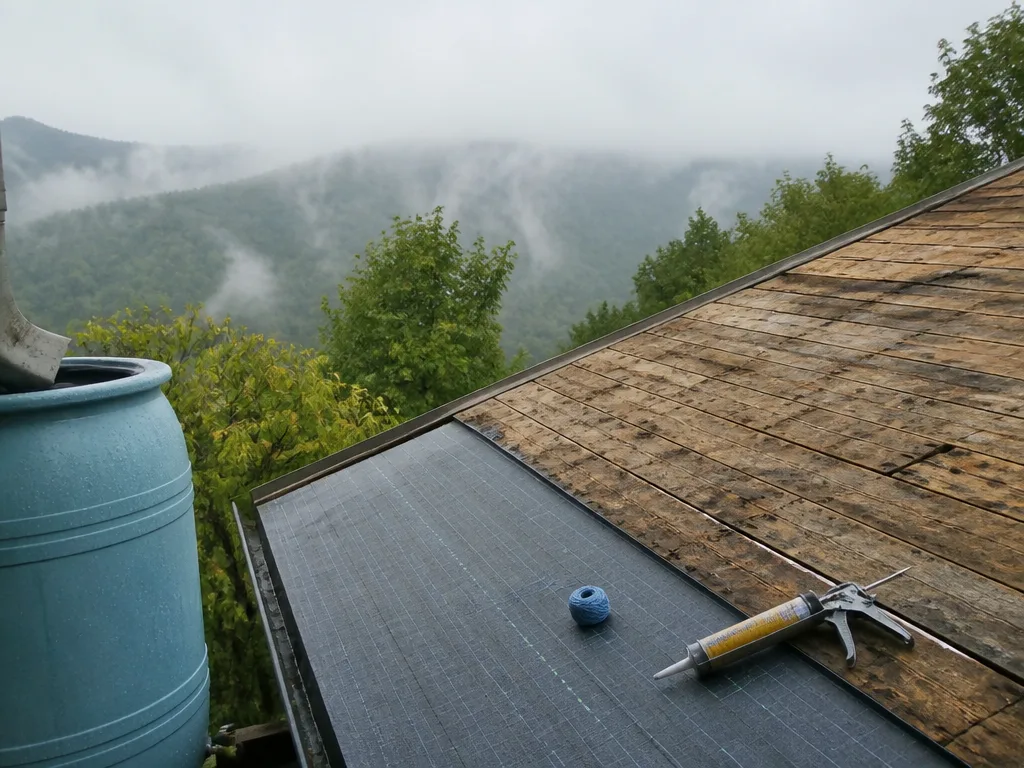
Small cosmetic issues can be fine to handle yourself. For example, a loose shingle or a minor trim repair on a visible edge can be addressed with basic tools. In West Virginia, where storms are common, you may want to inspect after a heavy rain to spot leaks early. Do not pry at the decking itself. Keep the area clean and document changes with photos for your records.
A simple exterior job like clearing debris from gutters and ensuring downspouts direct water away from the eave helps protect the deck framing over time. If you’re comfortable on a ladder and using basic safety practices, you can perform these tasks yourself while keeping away from any structural collision with the deck.
When to call a pro in West Virginia
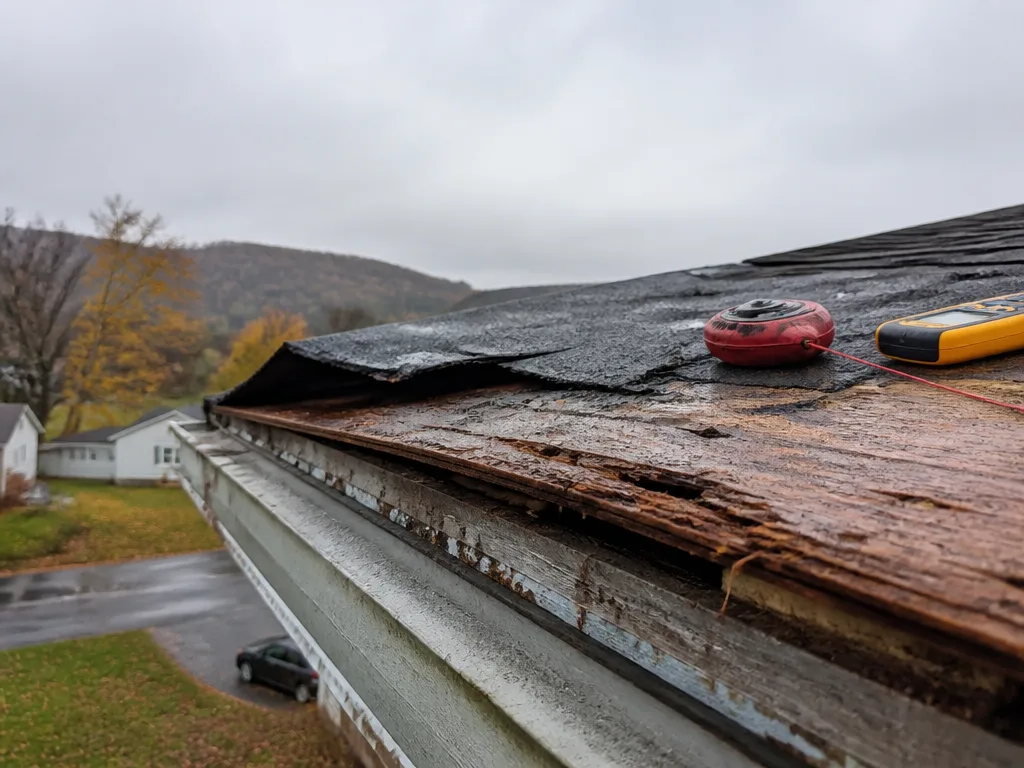
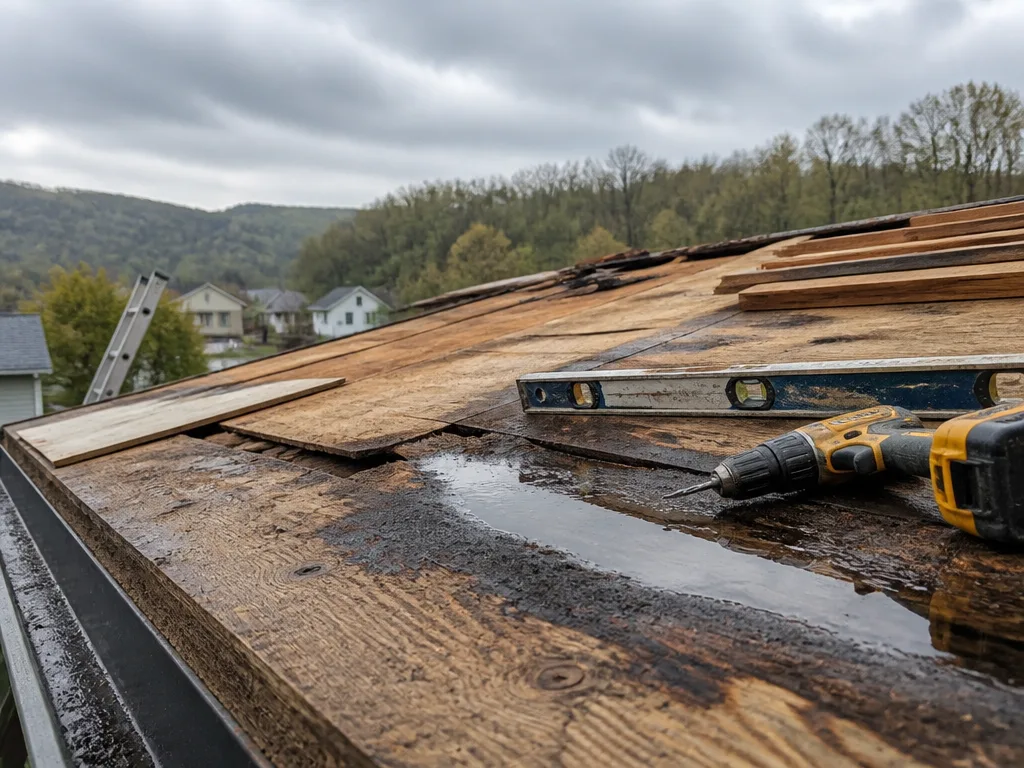
If you see soft or spongy decking, warped boards, or if you notice interior staining after rain, that signals the need for a professional assessment. A roofer will lift a few shingles to inspect the deck sheathing for rot or delamination and check for moisture behind the fascia. In West Virginia, where moisture and freezing cycles are common, these checks are critical for long-term stability.
And if there’s any doubt about the extent of damage, call a pro. A careful inspection now can prevent a larger, more disruptive repair later. Our team at West Virginia Roof Decking Repair performs statewide evaluations with a clear plan and transparent pricing.
What you’ll get from a pro diagnostic
A pro will: measure deck boards for soft spots, test with a moisture meter, and review ventilation and flashing around the edge. You’ll receive a written scope of work, a prioritized repair path, and a realistic timeline. No fluff, just practical steps to keep your home safe and dry.
Red flags that require professional action
- Persistent attic dampness after rain
- Visible sagging or advanced rot on the deck edge
- Multiple soft spots across a wide area